Critical Mistakes to Avoid When Trekking to Tobavarchkhili
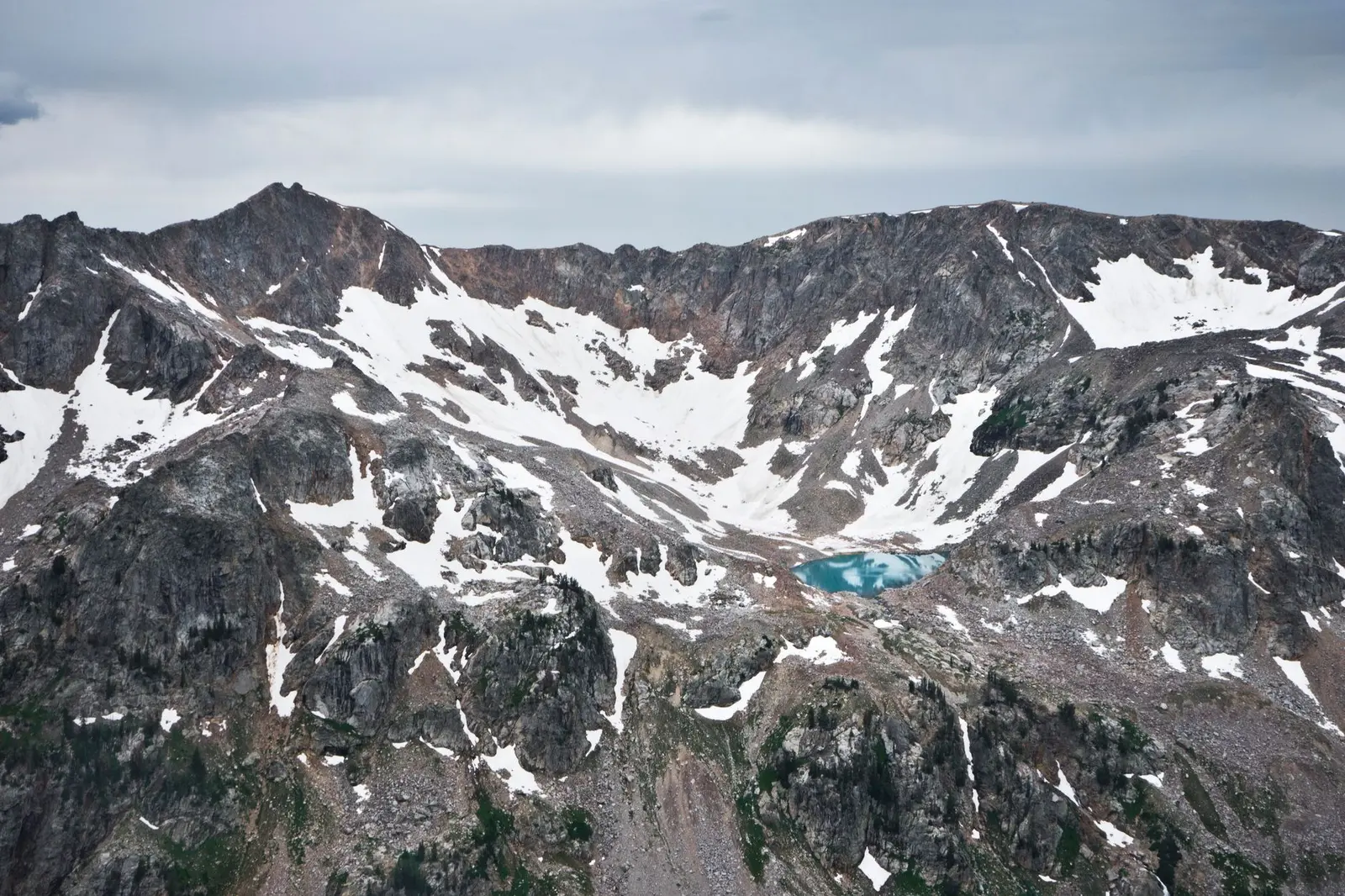
Photo by Robert Schrader on Pexels (https://www.pexels.com/@robert-schrader-971509)
Nestled in the heart of the Egrisi Ridge, the Tobavarchkhili lakes are regarded as one of Georgia's most remote and breathtaking destinations. Untamed nature, rugged terrain, and alpine mountain passes promise an unforgettable adventure, but they also demand serious logistical planning. Every year, numerous hikers and adventurers make critical mistakes that often lead to aborted treks or real safety risks.
If you plan to visit the Silver Lakes during the 2026 season, you need to know the most common pitfalls inexperienced travelers face and learn how to identify them early.
Mistake 1: Ignoring the Season and Weather Factors
The most common misstep is setting out at the wrong time of year. On the Egrisi Ridge, winter retreats late, and autumn arrives early. In June or the first half of July, the high passes are still blanketed in deep snow and ice, rendering them impassable for the average hiker.
- Recognizing the risk: If you plan your route before mid-July, snowpack will block the main trails leading to the lakes. The optimal window spans from late July through the first half of September.
- Weather unpredictability: The alpine zone of Samegrelo is notorious for sudden dense fogs and torrential downpours. Visibility can drop to under three meters within minutes, which is the leading cause of disorientation.
Mistake 2: Choosing the Wrong Transport to the Trailhead
The two primary approaches to Tobavarchkhili start from Mukhuri (via the Magana Valley or Natipkhuru Ridge) and Skuri. Travelers often attempt to reach the base huts in standard urban crossovers, which almost invariably ends in mechanical damage or getting stranded.
The off-road tracks cross riverbeds, large boulders, and deep mud ruts. A genuine 4x4 off-roader with high ground clearance, heavy-duty suspension, and skid plates is essential here.
- Transport solution: Your best choice is a rugged off-road vehicle with a turbo-diesel engine (such as a Toyota Land Cruiser or similar platform) equipped with low-range gearing and functional differential locks.
- Local costs: Hiring local specialized transport from central Mukhuri up to the Natipkhuru shelter typically costs around 400–600 GEL one way. If you prefer to stay behind the wheel, using a dedicated 4x4 rental service gives you complete independence to tackle the trailhead at your own pace.
Mistake 3: Bringing Subpar Trekking Gear
You will be setting up camp in open alpine terrain at elevations between 2,600 and 2,900 meters above sea level, where trees and natural windbreaks do not exist. Cheap summer tents simply cannot withstand the severe gusts and relentless rains of the Egrisi Ridge.
- Tent: You need at least a solid three-season tent with high hydrostatic ratings (minimum 3,000 mm for the flysheet and 5,000 mm for the floor).
- Sleeping bag: A comfort rating of at least 0°C to -5°C is critical, as nighttime temperatures often plummet near freezing even in the middle of August.
- Footwear: Sturdy, waterproof trekking boots with reliable ankle support. The trail is dominated by scree, loose rocks, slick grass, and mud.
Mistake 4: Going Solo Without Mountain Experience
Many assume that relying solely on a mobile GPS track is enough to navigate the route. In reality, once fog settles over high passes like Okhoje or Chitagvala, the visible path vanishes in an instant. A single misstep on steep, exposed rocky slopes can lead you straight toward sheer cliffs.
Unless you have years of experience navigating off-trail in harsh mountain terrain, hiring a certified mountain guide is your primary safety net. Daily guide rates in Georgia generally range from 150 to 250 GEL per group, covering safe navigation, knowledge of reliable water sources, and first-aid response.
In addition, horseback expeditions are a popular alternative on the Egrisi Ridge. Pack horses alleviate the physical strain of hauling heavy backpacks, though hiring an experienced wrangler and reliable equestrian gear remains just as crucial.
Mistake 5: Miscalculating Food Supplies and Power Needs
The classic traverse of Tobavarchkhili (from Mukhuri through to Khaishi in Svaneti) takes about 5 to 6 days. There are no shops, guesthouses, or permanent settlements along the trail.
- Food supplies: Pack rations for at least one extra day in case adverse weather pins you down at camp.
- Power and connectivity: Cellular reception is virtually nonexistent along the ridge. Carry charged power banks, a standalone GPS unit, or a satellite communicator with an SOS button—often the only way to summon rescue teams in an emergency.
How to Plan Your Expedition Properly
- Prepare your vehicle: Inspect the brakes, tire tread, and cooling system on your 4x4 before leaving, or rent a vehicle specifically prepped for rugged mountain conditions.
- Check your gear: Ensure you pack a reliable camp stove, warm insulation layers, a durable rain shell, and a fully stocked first-aid kit.
- Share your itinerary: Leave precise details of your route and estimated return time with trusted contacts or the local emergency rescue services.
With thorough preparation and a professional mindset, a trek to Tobavarchkhili transforms from a perilous gamble into one of the most thrilling and memorable wilderness journeys through the Caucasus.