Traditional Georgian Food on Mountain Treks: Mistakes to Avoid
Photo by Valeria Boltneva on Pexels (https://www.pexels.com/@valeriya)
The Art of Mountain Nutrition: Energy for Egrisi Passes
When you choose a GeoDrive 4x4 vehicle or plan an equestrian expedition across the snowy Caucasus, the main focus is often on the route, navigation, and equipment. However, most experienced travelers will agree: without proper nutrition, even the most exciting adventure can become a physical challenge.
Georgia is famous for its gastronomy, but in the highlands, where weather changes rapidly and physical exertion is high, simply "transferring" the principles of a traditional Georgian feast to the mountains often leads to health issues and energy depletion.
Mistake #1: Choosing "Heavy" Meals Before Difficult Passes
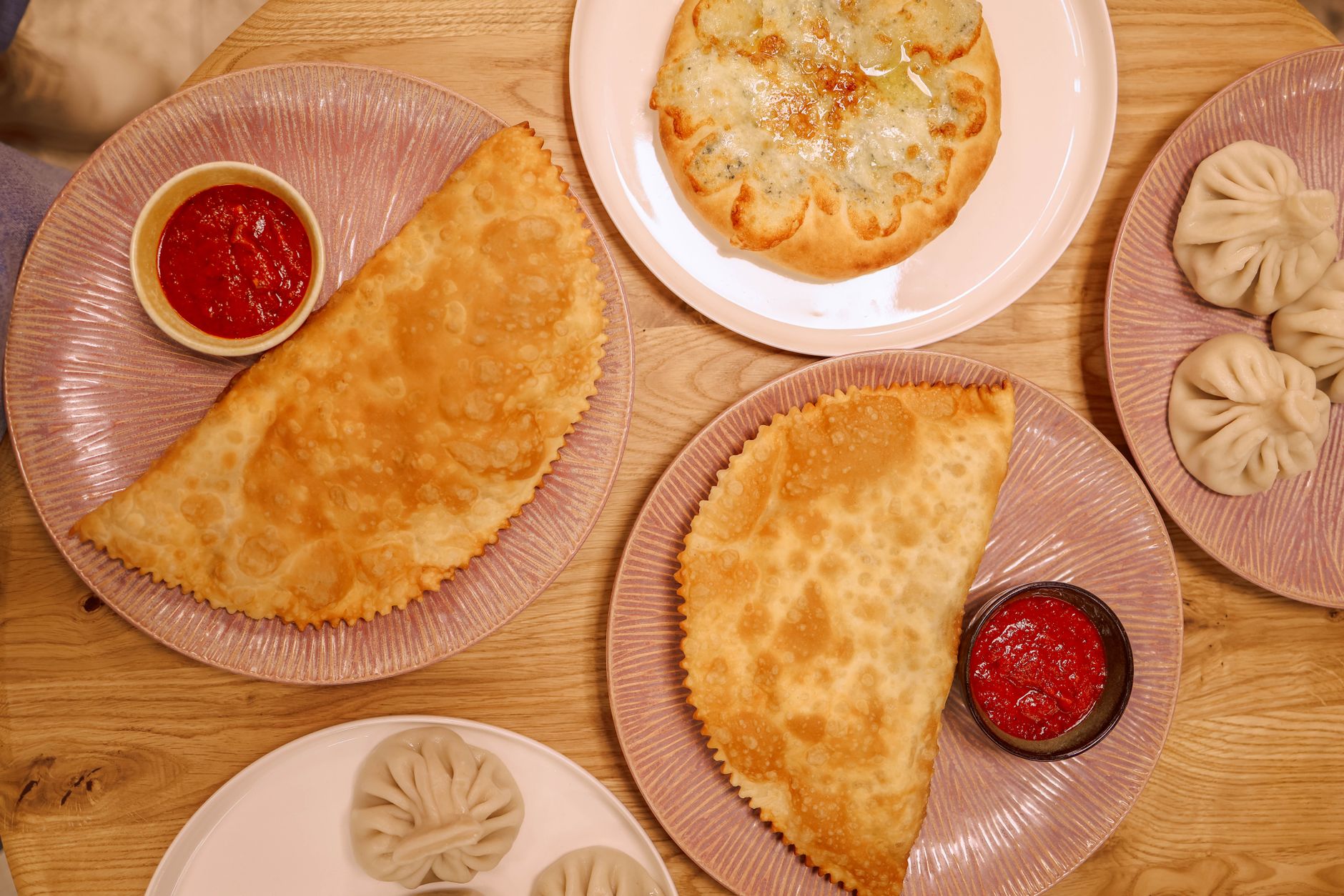
Georgian cuisine is brilliant, but dishes like khinkali or khachapuri are structurally very heavy for hiking.
- Why it's a mistake: These dishes require a long digestion process. If you eat them on the way to the Tobavarchkhili Lakes, your body will spend its energy on digestion instead of muscle activity. Result: drowsiness and weakness.
- What to do: Leave the khinkali and kupati for a rest day after you return from the mountains. During the hike, prioritize energy-dense but easily digestible products, such as churchkhela (which is a unique source of natural sugar and nuts) and local natural honey.
Mistake #2: Ignoring Water Balance Due to Lack of Minerals
Many travelers measure water deficiency only by the feeling of thirst. However, in the highlands, consuming water is not just about liquids—electrolytes are important.
- A sign that something is wrong: If you feel tired despite drinking plenty of water, it means you have flushed out salts from your body.
- Tip: When traveling in the Svaneti or Egrisi mountains, carry Georgian mineral water, which is rich in natural minerals. This will help you maintain electrolyte balance better than plain water.
Mistake #3: Unwise Consumption of Unprocessed Dairy Products
Hospitality in Georgia's highland villages often includes offering fresh dairy products. This is wonderful, but it can be dangerous if you aren't used to it.
- The risk: Cheese or milk produced on mountain farms may contain bacteria your body is not familiar with. An upset stomach at an altitude of 2,500 meters, where help is difficult to reach, is a critical mistake.
- How to protect yourself: Always eat thermally processed products or types of cheese that are well-aged and salted. Avoid raw milk, no matter how tempting it looks.
Mistake #4: Attempting an Energy "Shock"
Some travelers try to revive themselves with very sweet or fatty products.
- Identifying the mistake: If you feel more tired 15 minutes after eating than you did before, your blood sugar level has likely spiked and then crashed.
- The solution: Choose "slow" carbohydrates. Georgian hazelnuts, walnuts, and dried fruits are the best fuel for your next 4x4 expedition or equestrian trek. They provide long-lasting and stable energy.
Summary: How to Eat Smartly?
Georgia's pristine nature demands respect, including respect for your own body.
- Plan: Keep high-calorie, but light snacks on hand.
- Listen to your body: If you feel heaviness, reduce your portion size.
- Trust quality: Always ensure the product is safe, especially in the case of meat and dairy products.
Traveling with GeoDrive means not just technical reliability, but also knowledge. Prepare correctly, and enjoy Georgian dishes in the evening at the camp, when your 4x4 vehicle is already parked and you are ready for a full rest.
Remember, the best adventure is one that you finish in good health and full of energy!