What Gear Do You Need for a Multi-Day Mountain Horse Trek?
Photo by James Wilson on Pexels (https://www.pexels.com/@james-wilson-560941481)
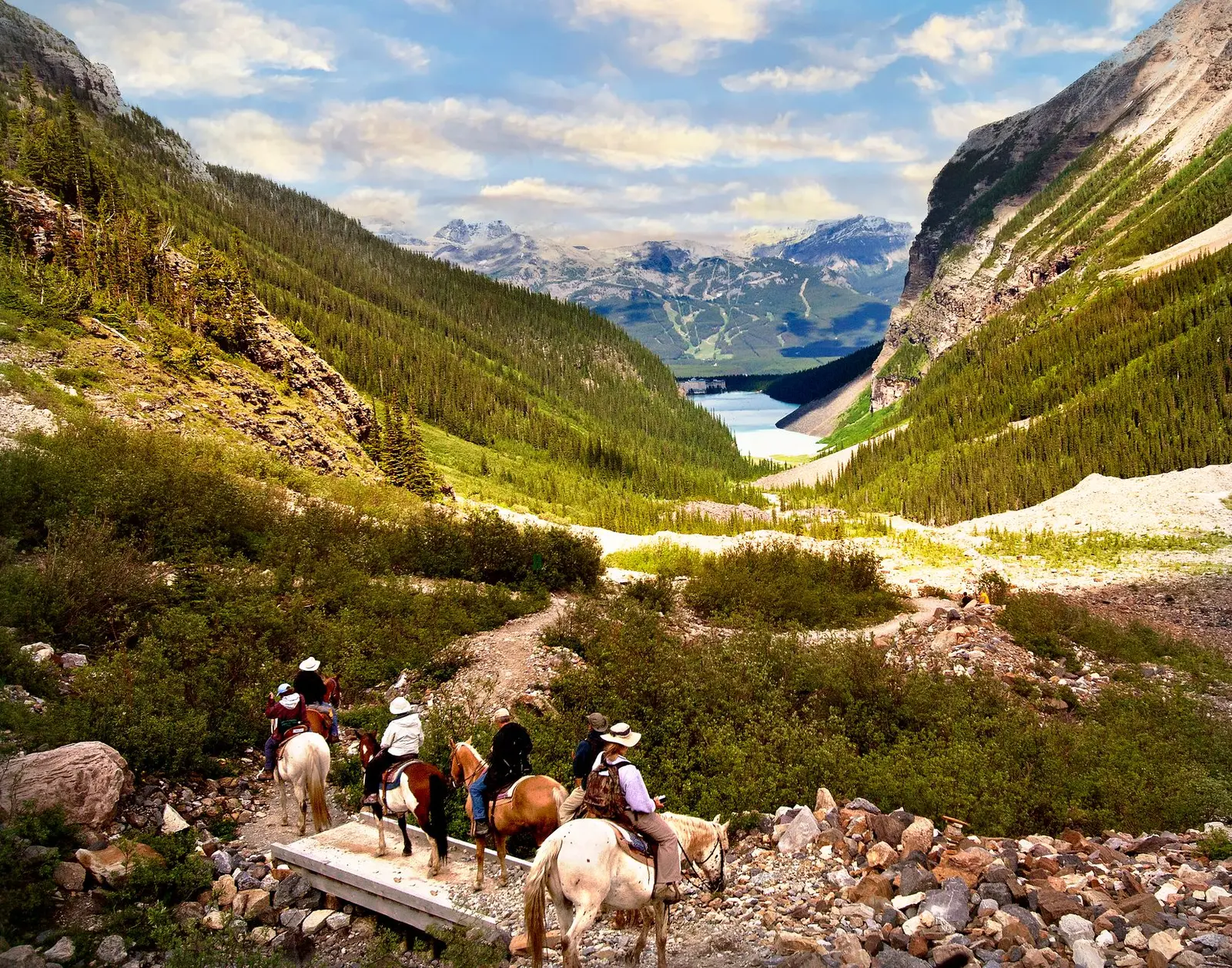
Exploring the Caucasus Mountains on horseback is a truly unique experience. It allows riders to reach remote, inaccessible wilderness areas where vehicles cannot travel and trekking on foot would take days of grueling effort. The Egrisi Ridge, the pristine surroundings of the Tobavarchkhili Lakes, and the alpine passes of Svaneti offer unforgettable routes for nature lovers. At the same time, spending several days in the high mountains with horses demands meticulous planning, physical stamina, and carefully selected gear.
Many travelers assume that a multi-day horse trek is just like a leisurely one-hour trail ride in the lowlands, requiring no special preparation or equipment. In reality, spending 5 to 8 hours a day in the saddle across alpine terrain, facing unpredictable weather, and tackling rugged landscapes requires specific preparation.
1. Clothing and the Layering Principle
Mountain weather can shift in seconds. Blistering sunshine can quickly give way to hail or gale-force winds, making proper clothing choices vital for your comfort and safety.
- Riding or trekking pants: Never wear jeans or stiff denim fabrics. Your pants should be seamless on the inner leg or have flat, soft seams to prevent chafing during long hours in the saddle. Stretchy, breathable technical fabrics are ideal.
- Footwear: Your best bet is sturdy trekking boots with a solid sole and a low heel (1–2 cm), which keeps your foot from slipping dangerously through the stirrup. Avoid bulky, wide sneakers that might get jammed in the stirrup.
- Layering system: The base layer should be moisture-wicking thermal underwear. The mid-layer should be a warm fleece, and the outer layer should be a reliable waterproof, windproof membrane jacket.
- Rain poncho: Regular umbrellas are useless in the mountains. You need a long, durable rain poncho that can cover you, the saddle, and part of your saddlebags while you ride.
- Gloves: A pair of lightweight leather or specialized riding gloves will protect your hands from cold mountain winds and friction blistered by the reins.
2. Expedition and Camping Gear
On multi-day treks, personal gear is packed into specialized saddlebags (khurjini) carried by the horses. The weight must be balanced evenly on both sides to prevent injuring the animal's back.
Pack your belongings inside dry bags or waterproof stuff sacks. Even if the canvas saddlebag gets soaked by torrential rain or river crossings, your dry clothes and sleeping bag will stay protected. In the alpine zone, nighttime temperatures frequently drop to 0–5°C even in mid-summer, so your sleeping bag should have a comfort rating of at least 0°C. You will also need an insulated sleeping pad that protects against ground cold and a durable, wind-resistant tent.
Be sure to bring UV-blocking sunglasses and high-protection sunscreen (SPF 50+). Ultraviolet radiation is intense at high altitudes, and on horseback across open ridges, there is virtually nowhere to hide in the shade.
3. Physical Fitness and Riding Skills
Riding a horse in the mountains is by no means a passive activity. When ascending steep terrain, you must lean slightly forward to shift your center of gravity; on steep descents, lean back slightly to help the horse maintain balance. This requires constant engagement of your core, back, and thigh muscles.
If you have little or no riding experience, take a few lessons at a riding school or local equestrian club at least 3–4 weeks before the trek. Get comfortable in the saddle, learn how to hold the reins properly, and practice basic stopping and steering commands. Stretching exercises for your calves, hips, and lower back are also highly recommended.
4. Guides, Safety, and Logistics
Heading into the rugged trails of the Caucasus without an experienced local horse guide is strongly discouraged. A seasoned local wrangler knows the individual temperaments of the horses, trail conditions, safe river-fording spots, and localized weather patterns.
Before setting off each morning, inspect your tack: ensure the saddle, girth straps, and stirrup leathers are secure. Request a riding helmet, especially if your route crosses rocky scree and steep mountain passes.
A well-stocked first aid kit is another essential: alongside personal prescription medications, be sure to pack elastic bandages, antiseptics, painkillers, and burn/chafe relief ointment.
5. Costs and Typical Pricing in Georgia
The cost of a multi-day horse trek depends on the region, duration, and logistical complexity. Average rates across Georgia typically look like this:
- Horse rental: Ranges between 80 and 150 GEL per day on average, including basic tack and equipment.
- Equestrian guide services: Around 150 to 250 GEL per day for the group.
- Pack horse: If you prefer not to carry heavy gear on your riding horse, renting an extra pack horse costs around 80–120 GEL per day.
- Transportation to the trailhead: Most alpine horse routes begin in remote areas reachable only by off-road vehicles. Reaching the base camp from Tbilisi, Kutaisi, or Zugdidi generally requires renting a 4x4 or booking an expedition transfer, costing between 300 and 600 GEL depending on the route.
Combining 4x4 Transport with a Horse Trek
The best adventures often combine different modes of travel. GeoDrive offers rugged turbo-diesel 4x4 vehicles capable of getting you comfortably to remote mountain trailheads. From there, you can saddle up with experienced local guides to traverse high alpine passes and the untamed wilderness of Tobavarchkhili. Thorough preparation, reliable gear, and local expertise will turn your expedition into a safe and unforgettable journey.