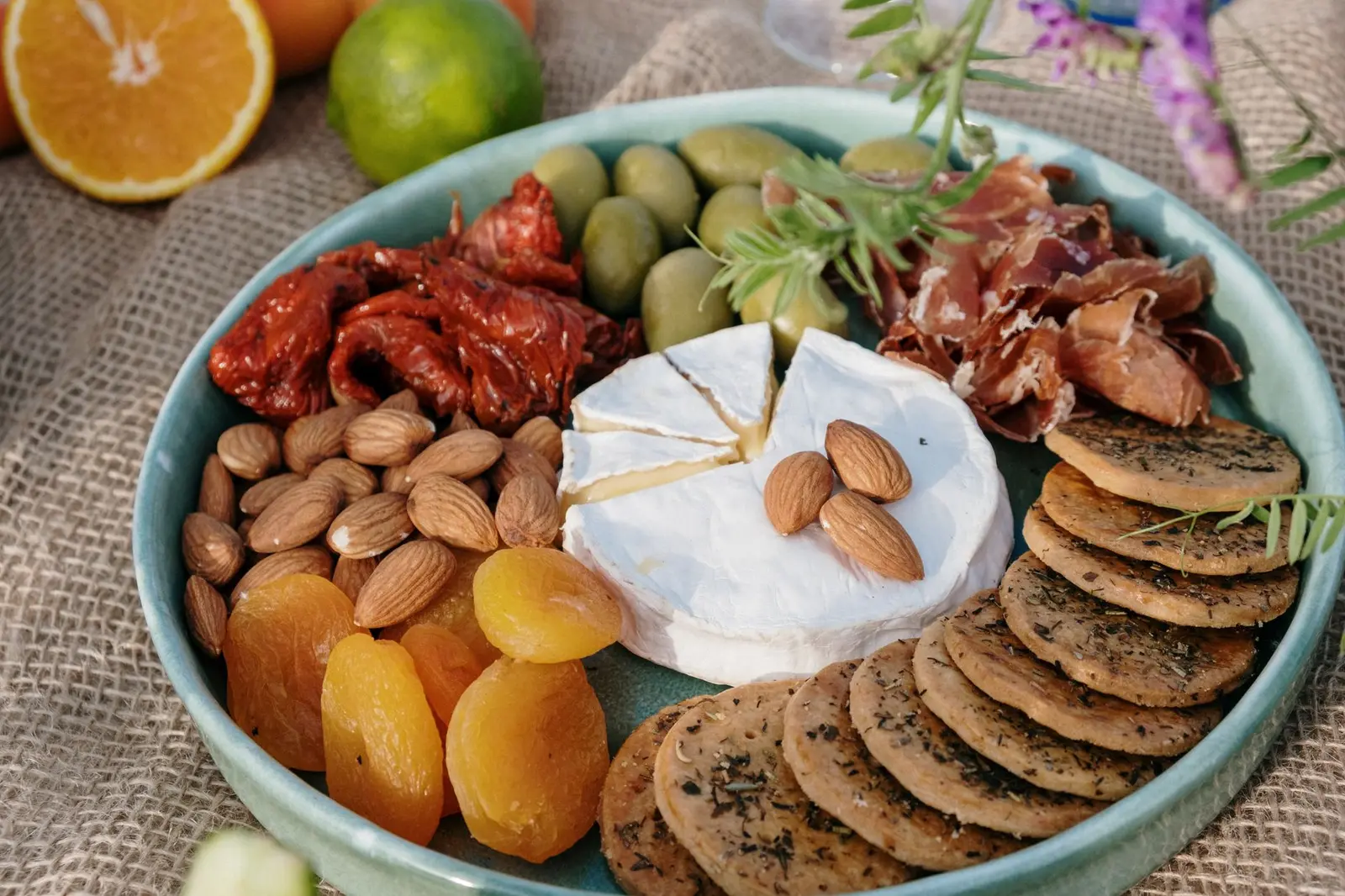
What Traditional Georgian Food to Pack for Mountain Hiking
Photo by cottonbro studio on Pexels (https://www.pexels.com/@cottonbro)
On the rugged trails of the Greater Caucasus—whether traversing the passes of the Egrisi Range, embarking on the demanding trek toward the Tobavarchkhili Lakes, or trekking through Svaneti's alpine zone—proper nutrition is the cornerstone of safety and endurance. When planning a multi-day backpacking expedition, or reaching base camp in a 4x4 expedition vehicle before heading out on foot, your food must meet three essential criteria: lightweight, resilient to temperature swings, and packed with calories.
For centuries, Georgia's highland regions have developed unique traditions for preparing and preserving food. Local shepherds, hunters, and travelers relied on staples that wouldn't spoil for months and provided a massive energy boost even in small portions. Today, these traditional foods serve as the ultimate natural alternative to pricey, commercial energy bars.
1. Quick Energy Sources: Churchkhela and Tklapi
On steep mountain ascents, your body craves quick carbs first and foremost. Instead of artificial energy gels, traditional Georgian sweets offer a much more balanced and wholesome alternative.
- Churchkhela: A natural blend of walnuts and grape juice (or tatara), churchkhela contains both glucose and healthy plant fats. A single medium-sized churchkhela packs roughly 350–450 kcal. It doesn't melt in the sun, slices easily, and makes a convenient snack during quick trail breaks. As of 2026, quality churchkhela at local markets ranges from 4 to 8 GEL.
- Tklapi: Sour or sweet fruit leather (made from wild plum/tkemali, cornelian cherry, or fig) is rich in vitamin C and essential minerals. Under heavy physical exertion, sour tklapi eliminates dry mouth, stimulates salivation, and helps replenish electrolyte balance. Weighing next to nothing, it's a vital weight-saver for your backpack.
- Dried Fruit and Roasted Hazelnuts: Dried prunes, persimmons, and apples mixed with nuts create a ready-to-eat trail mix with zero prep required. You can purchase them at markets in Tbilisi and regional hubs for 20–35 GEL per kilogram.
2. Protein and Fat Fuel: Aged Cheese and Cured Meat
Protein is essential for muscle recovery during long treks, while healthy fats are the ideal fuel for maintaining body temperature in freezing mountain conditions.
- Guda Cheese and Dambalkhacho: Fresh, high-moisture cheese quickly turns heavy and spoils in the mountains. Instead, opt for well-aged, salty Tushetian Guda cheese or Pshavian dambalkhacho. Guda cheese is rich in fat and packed with salt, which helps replenish minerals lost through sweat. Dambalkhacho provides concentrated protein that keeps for months thanks to its unique mold-ripening technique. Depending on quality, Guda cheese costs around 30–45 GEL per kilogram.
- Smoked Ham and Jerky/Cured Beef: Rachian smoked ham (Lori) or mountain-cured beef (Mtiuluri style) are indispensable backpacking staples. Well-cured meat contains virtually no water, making it exceptionally lightweight. Stir it into evening pots of boiled rice, buckwheat, or mashed potatoes to infuse your camp meal with savory depth and rich nutrients.
3. Fresh Meals for the First Few Days
If you are starting your trek with a high-clearance off-road vehicle and driving right to the trailhead, you can pack pre-baked traditional pastries for the first day or two:
- Kubdari: Svanetian kubdari, baked with minced meat, onions, and wild mountain spices (gitsruli), remains remarkably flavorful even when cold. It stays fresh for 2–3 days at moderate temperatures and easily substitutes for a full sit-down meal.
- Chvishtari: A hearty mix of stone-ground cornmeal and sulguni cheese, chvishtari firms up as it cools and won't crumble in your pack. It lasts far longer than conventional bread, keeping you satiated for hours on modest portions.
How to Pack and Organize Trail Rations: A Step-by-Step Guide
Smart trail logistics are just as vital as food quality in the backcountry. To keep your pack manageable and your food well protected, follow these steps:
- Pre-portion daily rations: Slice cheese and cured meats into individual servings at home. Wrap each day's portion in parchment paper. Avoid plastic bags, which cause cheese to "sweat" and rapidly grow unwanted mold.
- Create custom trail mixes: Combine sliced churchkhela, hazelnuts, almonds, and dried fruit. Divide them into small ziplock bags so you don't have to rummage at the bottom of your backpack while hiking.
- Account for your water supply: Salty cheeses and cured meats naturally increase thirst. Scope out freshwater springs along your route beforehand. If you're navigating an arid ridgeline with no water access, keep salty foods to a minimum.
- Shield your food from moisture: Mountain weather can turn on a dime. Tklapi and dried fruit turn soggy and lose texture in humid conditions. Pack all food supplies inside waterproof dry bags to keep them safe.
When embarking on an autonomous expedition—whether crossing remote passes on horseback or trekking pristine wilderness on foot—proper nutrition planning is vital. Harnessing local, natural provisions will not only sustain your stamina, but also transform your journey across the rugged Caucasus into an unforgettable culinary adventure.